Dispatchable, local and circular — the case for converting waste into baseload power.
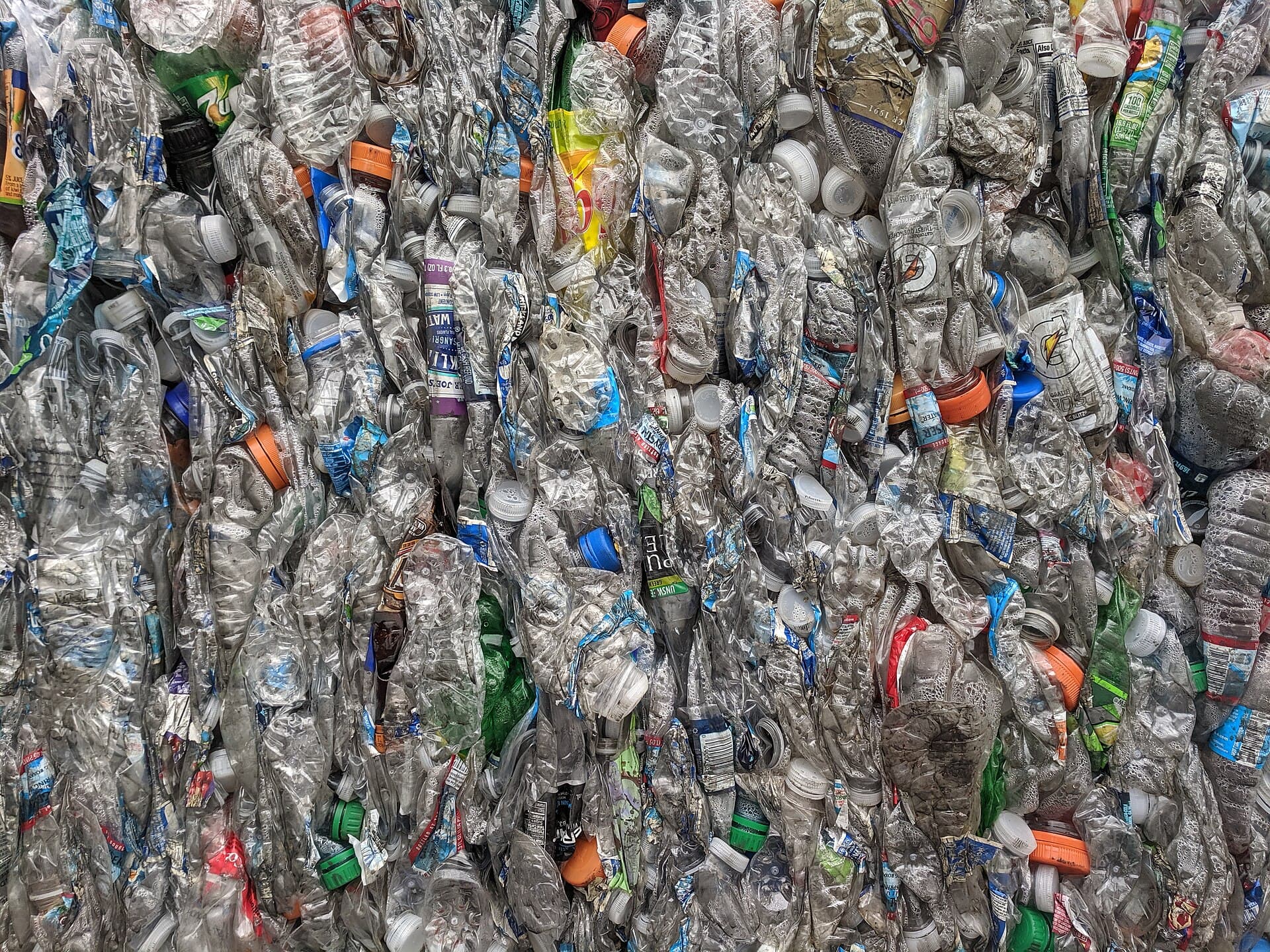
Across Africa, two problems grow side by side: mountains of uncollected waste, and a chronic shortage of reliable power. Most strategies treat them separately. Waste-to-Energy treats them as one — turning the material that pollutes our cities into the electricity our communities need.
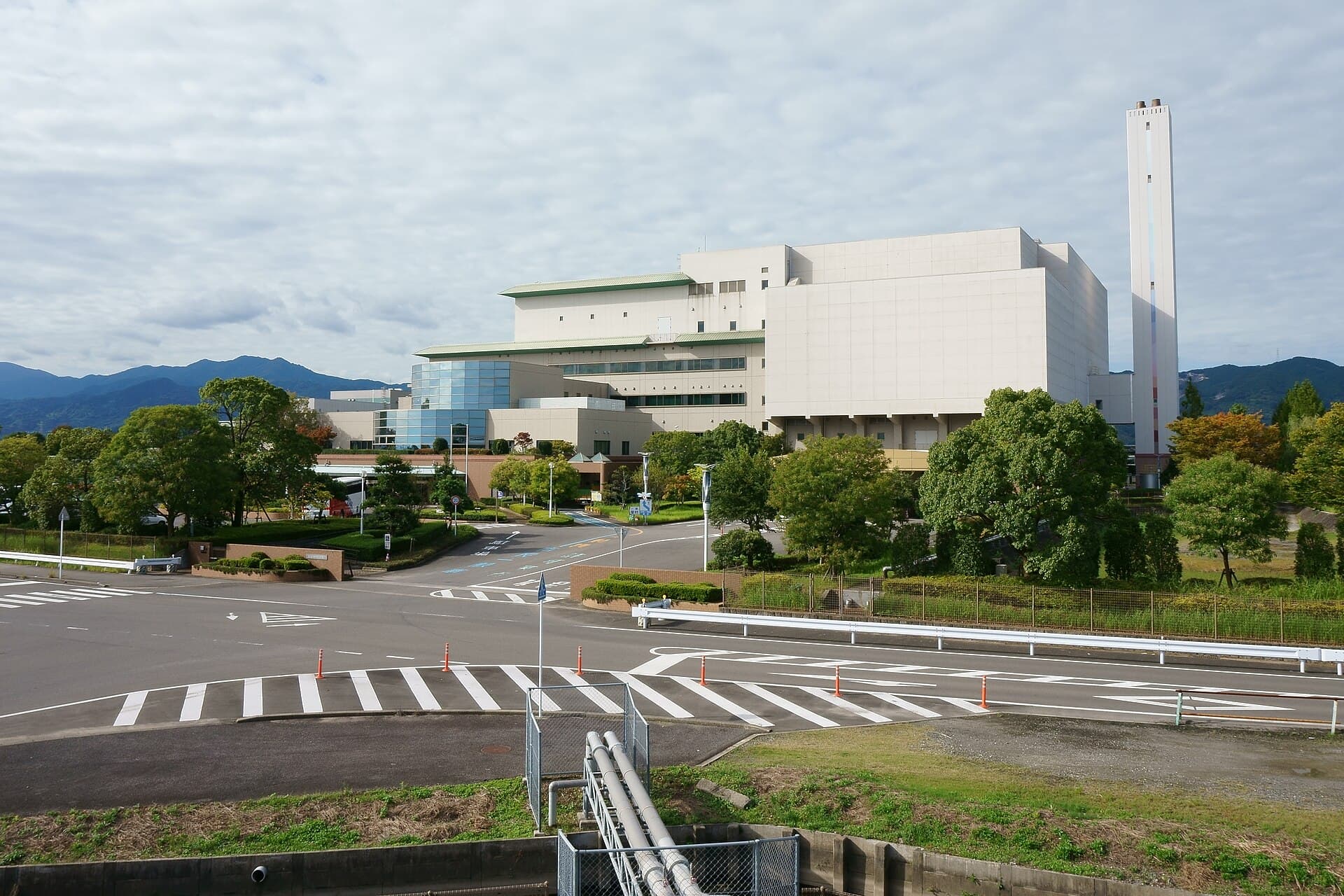
Unlike solar and wind, Waste-to-Energy is dispatchable: it produces power on demand, day or night, regardless of weather. That makes it a rare source of clean baseload generation for grids that need stability, not just capacity.
A circular answer to a linear problem
Every tonne of waste diverted from landfill is a tonne that no longer releases methane, leaches into groundwater, or burns in the open air. Converting it into energy closes the loop — recovering value at the very end of the chain and feeding it back into the economy.
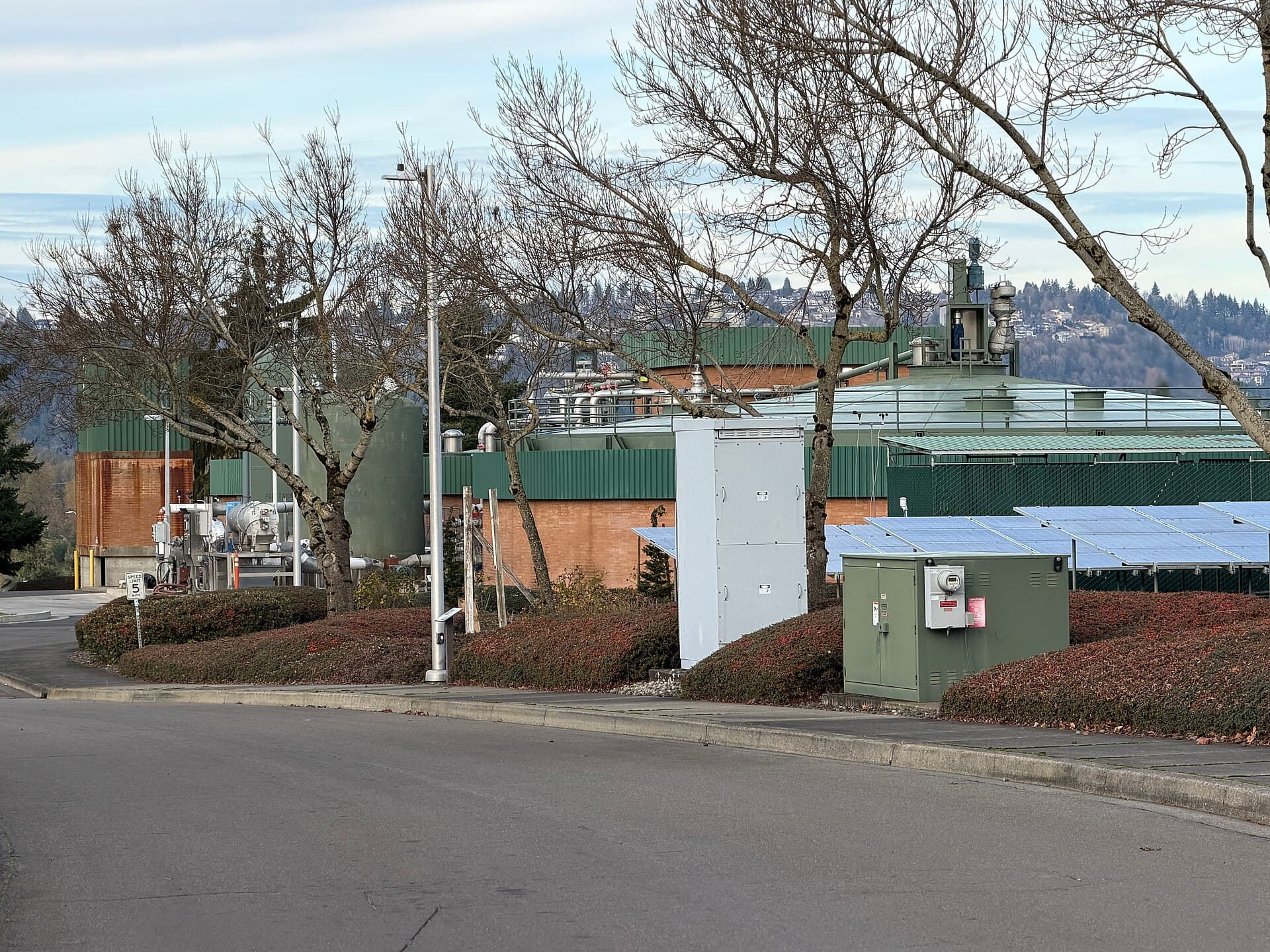
The by-products matter too. Digestate becomes fertiliser, recovered materials re-enter manufacturing, and the heat and power displace diesel generators that would otherwise run on imported fuel.
Built to be bankable
For Waste-to-Energy to scale, projects must be financeable. That means credible feedstock supply, IPP-grade offtake agreements, and disciplined operations over the full asset life. This is the work SectorLead exists to do — financing, building and operating the infrastructure that makes the circular economy real.